


Beautiful and deep golden-amber color. Complex and fresh aromas of nuts combined with honey and figs. On the palate, it is very rich with mellow fruit flavors with a long finish.
711 products


Vietti has a special place in the story of Arneis: the winery first bottled Roero Arneis on its own in 1967. From Piedmont’s Roero appellation, this 2025 white balances fresh fruit and floral character with the brisk acidity that makes it easy to bring to the table.
Pale straw yellow color with fresh floral, citrus and melon aromas with almond hints. An unoaked, dry, medium bodied white wine with crisp acidity, the Arneis is a well-balanced, elegant wine with good complexity and a lingering finish.
Great as an aperitif with light hors d’oeuvres, crudités, seafood, salads, light soups, simply prepared veal, pork, chicken and creamy cheese.
Vietti · Winemaker Description
Just bottled, the 2025 Roero Arneis pours a pale straw/platinum hue and offers an early look at a beautifully balanced growing season. The nose is bright and focused, with flinty reduction and white pepper lifting from the glass alongside white peach, melon, lemon-lime rind, and chive. Medium-bodied, it shows excellent tension and energy, with brisk acidity and a vibrant, electric feel across the palate that keeps it refreshing and precise. It should be ready to drink on release. 70,000 bottles were produced. Drink 2026-2032.
Jeb Dunnuck · 90 points
Founded in Castiglione Falletto in the late 1800s, Vietti has carried generations of Piedmont winemaking forward. The family’s work with Roero Arneis and its artist-label tradition are part of the estate’s history; the Krause family purchased the winery in 2016.


Few names carry more weight in Tuscan wine than Antinori. With over six centuries of winemaking history, the family has shaped the identity of Chianti Classico as much as any single producer — and the Villa Antinori Riserva is their benchmark expression of the appellation: a wine that balances tradition with refinement, vintage after vintage.
The Villa Antinori Chianti Classico Riserva 2022 is ruby red in the glass, with a nose that opens on fresh pomegranate, cherry, and orange peel, layered with ginger spice, lavender, rose petals, and delicate balsamic notes of white musk. On the palate, the entry is vertical and precise, building to a savory, full-flavored structure supported by supple tannins and a long, warm finish of cocoa and dark fruit. The 2022 vintage brings exceptional balance — ripe, elegant, and built to age.
Kerin O'Keefe — 95 Points: "Elegantly structured and loaded with finesse, the 2022 Chianti Classico Riserva from Antinori pushes all the right buttons, starting with its enticing aromas of ripe black-skinned fruit, violet, exotic dark spice and a whiff of Mediterranean scrub. On the delicious palate, notes of licorice, vanilla and crushed mint accent a ripe black cherry core while velvety tannins provide seamless support and plenty of finesse. It's well balanced, with fresh acidity. Drink through 2030." (05/25)


Warehouse stored item - please allow one to three business days to fulfill.
This Pinot Noir expresses black fruits like boysenberries and blueberries with subtle floral notes and gentle acidity. The cocoa powder tannins and smoky toasty notes add complexity with a generous earthy textural finish.
This wine pairs well with New Zealand lamb, but rich enough to enhance slow cooked beef cheeks. For a plant-based alternative, try with mushroom or truffle accented dishes to accentuate its earthy character.


Viña Sastre is an iconic, family-run winery in the heart of Ribera del Duero, famous for making long-lived, elegantly structured wines from organic, old vines grown near the Duero river. Flavus is an incredible, singular white wine made from indigenous cayetana blanca grapes from 100-year-old vines, selected from Sastre’s historic Pago de Santa Cruz vineyards at 800m to 840m for their complexity and ability to age gracefully. Sastre handcrafts classic wines through extremely low-yielding biodynamic farming methods, fermenting exclusively with native yeasts.
In Pago de Santa Cruz, a small amount of white cayetana blanca grapes have always existed alongside the red tempranillo, co-planted and traditionally mixed into the field blend destined to be one of Spain’s most iconic wines. Through Jesús Sastre’s good friend and Rías Baixas pioneer Gerardo Méndez, they first researched and separated the white grapes from the blend, making the first Flavus in 2007 to make a simple, charming white wine for near-term consumption. Ribera del Duero does not have much of a tradition for white wines, so the initial concept was to make something simple and humble. Instead, they discovered through the cellaring and consistent tasting of verticals of Flavus over the years that the wine is capable of improving in bottle for a decade or more, leaving tasters stunned by the unique, complex flavors which develop. There is no designation for Ribera del Duero blanco, so while this mighty blanco may be a “Reserva” qualitatively and spiritually, bureaucratically, it carries the humble Vino de Mesa designation. Perhaps in the future, the appellation will see the same possibilities for value and quality in their white wines as their more famous reds.
Vinification – Following a manual harvest, the wine spontaneously fermented with native yeasts in stainless steel. No malolactic fermentation. The wine was racked and aged in stainless steel for ten months, followed by two years of bottle age prior to release.


Aromatic and elegant expression of an otherwise deep and dark flavored grape. Delicious aromas of flowers, red berries and black cherries, shadowed by notes of orange peel, spices and earth. Supple on the palate with silky tannins and a refreshingly mineral finish.
It has a bright ruby color with the grip of the fine tannins and an herbal touch that provides freshness.


The Vincent Gaudry Gaudry'Olle Sauvignon Blanc is a dry, fresh, and youthful expression of Sauvignon Blanc from the Loire Valley, specifically from a plot in Crézancy-en-Sancerre. This wine originates from young vines planted on a hill with clay-limestone soil, reflecting a deep connection to its terroir.
Since 1991, Vincent Gaudry has been handcrafting essential, soulful wines with a profound connectedness to the land and to the collective lineage of vignerons past. At just 16, he joined his father in running the estate established by his grandfather in the tiny hamlet of Chambre, near Sury-en-Vaux, Sancerre. Today, Gaudry’s wines are among the most authentic, artisanal, and limited of the region.
A true minimalist whose guiding principle is “Trust in Nature,” Vincent began converting to organic farming in 1995, obtaining certification in 2002. He developed a deep appreciation for the balance that a biodynamic philosophy brings to his 11ha of vineyards, becoming the first producer in Sancerre with a Demeter certification in 2004. The vineyards, the forests, and their animal inhabitants work in harmony, and that harmony is felt in the wine.
Gaudry’Olle is the first release (2022 was the first vintage) of a visionary new project called “La Grande Pièce” in Crézancy-en-Sancerre, an area just 9km southwest of Sancerre, just across the Sancerre AOP border, on a plateau at 300m elevation, where the soil has a calcareous clay top layer, with caillottes underneath. Vincent had climate change in mind when in 2019 he planted sauvignon blanc vines from a massale selection of his 90+ year-old vines from his La Rabotine vineyard in Sury-en-Vaux.
The grapes are hand-harvested and undergo spontaneous fermentation with natural yeasts in stainless steel tanks, followed by seven months of aging on lees in stainless steel, with two rackings before bottling.
On the palate, this Sauvignon Blanc presents a playful, fleshy texture with balanced acidity. It reveals delicate floral notes, vibrant citrus undertones like lemon and orange zest, and hints of green fruit.
A distinct stony or chalky minerality is present, leading to a medium-long finish. The wine is crafted to be approachable and vibrant, showcasing the verve of the Sauvignon grape and the identity of its unique place of origin.
Shellfish and seafood platters, grilled white fish or poultry, fresh and matured goat cheeses.


The 2021 Vincent Girardin Saint Romain "Les Vieilles Vignes" is a standout example of why Saint Romain is often called Burgundy’s best-kept secret. Sitting at higher elevation than its famous neighbors in Meursault, Saint Romain produces wines with a signature bracing freshness and vivid minerality that set them apart from the richer, more opulent whites of the Côte de Beaune.
The "Vieilles Vignes" (Old Vines) designation indicates grapes from vines averaging 50+ years old — adding a layer of concentration and depth that younger vines simply cannot match. The result is a Chardonnay of real precision: taut, mineral-driven, and built to age.


For those looking to experience the Vincent Paris style at a lower price point, Granit 30 is another exceptional find.
Named for the approximately 30-degree slopes on which its Syrah grows, Granit 30 offers a beautifully expressive introduction to Paris' Cornas: dark fruit, pepper, mineral character and the unmistakable granitic personality of the appellation.
It delivers the combination that makes Vincent Paris so compelling — Cornas intensity without heaviness, plenty of Northern Rhône character, and remarkable freshness and precision.
96 Points James Suckling: A profound nose of cherries, crushed raspberries, roasted meat, cigar box, black pepper, warm spices and some bark and leather. Medium- to full-bodied with fine tannins. Expansive and spherical. Ample but refined in texture, with perfectly integrated structure at the edges and a vibrant, focused midpalate showing a bright, stony and peppery dimension. Quite spectacular for the vintage, with a very long, flinty finish. Drink or hold.
96 Points Jeb Dunnuck: Brilliant aromatics of blue fruits, fig, blood orange, pepper, and violet notes emerge from the medium-bodied 2024 Cornas La Geynale, which has a concentrated mouthfeel, building, ripe tannins, and a gorgeous finish. This reminds me of a great vintage of Clape Cornas! It sees a lot more stems and comes from the oldest vines of the estate, and it's going to need 4-5 years of bottle age. It's up there with the crème de la crème of the vintage. Barrel Sample: 94-96
95 Points Vinous: The 2024 Cornas La Geynale hails from the glass with intense peppercorn, crushed rocks, fleshy tones and precisely ripe blackberry. Dried violets and earthy tones add more aromatic layers. Built like a skyscraper, the 2024 is a serious La Geynale in the making, lifting the finish with stupendous vitality. I can't wait to taste it once it's bottled. Barrel Sample: 93-95
Granit 30 is Vincent Paris’ vibrant, approachable expression of Cornas, produced from relatively young Syrah vines planted at both the lower and upper reaches of the appellation, from approximately 100 to 400 meters in elevation. The fruit comes in part from the Patou sector, where vines grow in decomposed granite soils at the base of the hillside, giving the wine freshness, finesse and an unmistakable mineral character.
Because the vines are younger than those used for Paris’ more powerful Cornas bottlings, the grapes are fully destemmed before fermentation. The wine undergoes approximately three weeks of maceration with gentle extraction, followed by 12 months of aging in used barrels. This restrained approach keeps the emphasis on pure Syrah fruit, spice and the granitic personality of Cornas rather than oak.
The 2024 Granit 30 shows a deep red color with aromas of blackberry and other dark fruits layered with black pepper, savory spice and subtle earthy notes. The palate is juicy and energetic, with ripe fruit, peppery complexity and supple, well-coated tannins.
Compared with Vincent Paris’ more structured Granit 60 and La Geynale bottlings, Granit 30 is especially inviting in its youth. It offers plenty of classic Cornas character—dark Syrah fruit, spice, freshness and mineral drive—while remaining polished, balanced and remarkably easy to enjoy.
The finish is long and savory, with lingering pepper, dark fruit and granite-derived freshness. It can be enjoyed relatively young for its exuberant fruit and supple texture, yet it has enough structure and balance to develop beautifully for more than a decade.
An excellent introduction to both Vincent Paris and the Cornas appellation, Granit 30 delivers genuine Northern Rhône character with impressive purity, freshness and value.
Producer: Domaine Vincent Paris
Vintage: 2024
Region: Northern Rhône, France
Appellation: Cornas AOC
Grape: 100% Syrah
Vineyards: Parcels at the lower and upper slopes of Cornas
Elevation: Approximately 100–400 meters
Soil: Granite and decomposed granite
Vinification: 100% destemmed; approximately three-week maceration with gentle extraction
Aging: 12 months in used oak barrels
Style: Dark-fruited, peppery, fresh and supple
Cellaring: Delicious young; capable of aging for 10+ years


Luis Gutierrez writes: The white 2020 Blanco is a little closed, young, clean and tender with subtle oak. They produced a little bit more in 2020, and the wine has less oak and less buttery sensations, a change that started with the 2017 vintage, which seems to have found its style harvesting earlier to retain freshness; it has 13.04% alcohol and a pH @ 3.23 and matured in larger oak containers, 500-liter oak barrels and some concrete for 12 months. It's floral and expressive, a blend of Viura with 20% Garnacha Blanca that they still consider work in progress but moving in the direction they want to go. 16,200 bottles and 100 magnums were filled in March 2022. Drinking 2022 to 2028. - Robert Parker Wine Advocate 93
James Suckling writes: A delicious, creamy white with aromas of apricots, baked peaches, hazelnuts, white chocolate and nougat. It’s medium-to full-bodied with a ripe and creamy palate. Lovely buttery pastry and nougat character, with a fresh finish. Drink now - James Suckling 93
Pedro Ballesteros MW, Sarah Jane Evans MW, Pierre Monsour write: Round and warm on the nose, with fine notes of smoke. A mouth-filling wine that's fresh and expressive. Drinking 2024 to 2027. - Decanter 90
Contino Blanco 2020 shows a very intense nose, marked by its aging in barrel. It is fresh and fruity wine, a true reflection of the identity of our vineyard. San Gregorio offers a Garnacha Blanca with great complexity and volume. The soils are clayey-calcareous, with medium stoniness, key for good drainage.
Blend: 80% Viura, 20% Garnacha Blanca


The Wine Enthusiast 93 Points | Redolent of cinnamon, Bing cherry and sarsaparilla on the nose, this Pinot gains depth, purity and focus as it hits the palate. Flavors of dried raspberries, fried shiitake mushrooms, fresh mint and pithy tangerine peel along a seamless and vibrant finish.
This blend is comprised of primarily Bob's Ranch, with Gap's Crown and select grower partners throughout Sonoma rounding out the blend.
The wine has a true Sonoma Coast character—deep, earthy aromatics; concentration and depth on the palate; with bright fruit and supple tannin on the finish.
We utilized whole cluster in this vintage to help accentuate the unique character of each site, and we are very pleased with the resulting wine.
This Pinot Noir's savory edge makes it a perfect match for:
Roasted duck or poultry with herbs.
Wild mushroom risotto.
Grilled salmon with a cherry glaze.
Walt La Brisa Pinot Noir showcases the true essence of Sonoma Coast, offering a unique expression of this beloved grape. When you open a bottle, you'll immediately notice the vibrant ruby color, hinting at the rich flavors inside. This wine is crafted with love and precision, representing the delicate balance between fruitiness and acidity. The primary flavors include cherries, raspberries, and subtle hints of vanilla and spice, making it a delightful choice for both casual sipping and special occasions.
This Pinot Noir is incredibly versatile, which means it pairs well with a variety of dishes. Whether you are enjoying a cozy dinner at home or hosting a party, Walt La Brisa complements everything from grilled salmon to roasted chicken. It enhances the flavors of hearty meals but is equally delightful with lighter fare, such as salads and pasta. Furthermore, its smooth tannins and balanced acidity make it approachable for all wine lovers, no matter their experience level.
When you choose Walt La Brisa Pinot Noir, you are investing in quality and craftsmanship. The grapes are sourced from sustainably farmed vineyards in Sonoma Coast, where the unique terroir imparts distinctive characteristics to the wine. Each bottle reflects the commitment to excellence that Walt Wines is known for, ensuring a premium experience. Additionally, the 2023 vintage has received recognition from various wine critics, certifying its quality and appeal.


Late Bottled Vintage Port is bottled later than Vintage Port: Warre's producer note explains that the final LBV blend is bottled between the fourth and sixth year after harvest, while Vintage Port is bottled after two years. The producer also describes LBV as aged exclusively in wood and ready to drink without decanting once bottled, because it is filtered before bottling.
For this 2011 listing, the available tasting reviews are for the prior 2010 vintage, so they are kept below and labeled accordingly rather than presented as 2011 notes.
Falstaff · April 2026 · 92 Points: Dark ruby garnet, opaque core, violet reflections, delicate edge brightening. Fresh prunes, dark cherries, some blackberry jam, figs and nougat underneath. Juicy, medium complexity, integrated sweetness, youthful, uncomplicated style with a chocolaty-fruity finish, good entry-level port. (Vintage 2011).
Roger Voss, Wine Enthusiast · 92 Points: Bottled unfiltered so that it can age, this is a very fine Port. The tannins are now soft, fully integrated into the black fruits and mature texture. This wine is perfectly ready to drink. (Prior VIntage 2010).
Late Bottled Vintage is so named because the final LBV blend is bottled later between the fourth and sixth year than Vintage Ports, which are bottled two years after the harvest. Furthermore, Late Bottled Vintage, unlike Vintage Port, is aged exclusively in wood and once bottled it is ready for immediate drinking and does not require decanting because it is filtered prior to bottling.
A wood-aged, ready-to-enjoy LBV from the Douro, with earlier-vintage reviews retained for context.


Blackcurrant leaf, floral bergamot and red currant lead into an elegantly structured palate. Silky eucalyptus and cherry notes meet milk-chocolate tannins, finishing with spice.
Decanter World Wine Awards · 91 Points | Fresh blackcurrant leaf nose, floral bergamot, and red currant underneath. Elegantly structured palate, silky eucalyptus, cherry notes, milk chocolate tannins, spicy finish.
Wine Spectator · 89 Points | Tangy raspberry and ripe cherry flavors are well-spiced in this plush, medium-bodied red. Details of herb and mineral mark the energetic finish. Touriga Nacional, Touriga Franca, Tinta Barroca, Tinta Roriz and Tinta Cão. Drink now through 2025. 5,000 cases made, 1,000 cases imported. - Gillian Sciaretta
Forest aromas, a precise and discreet barrel note, red, enveloping and complex fruit, is a radiant wine that pairs well with the fruit with the acidity and leaves a delicious spicy trail as an aftertaste.
A structured, fruit-driven Douro red with floral lift, supple texture and a lingering spicy finish.


Straka's Mash skin-fermented white is a blend of Straka's specialty, Welschriesling, with a bit of Pinot Blanc and Chardonnay. It spends 20 days on the skins followed by 10 months in large, neutral oak. The result is a wine that is both aromatic and tertiary, lending intriguing savory notes making it a perfect accompaniment to food.
Straka, which means Magpie, is a small family estate located in the Eisenberg district of Burgenland, Austria. It has been run by Tom Straka since 2008. Tom farms organically and practices minimal intervention in the cellar. Located on the last foothill of the Alps, in Rechnitz, his primary focus is Welschriesling, the main indigenous grape of the area. His best vineyard site is Pratner (he farms all but 4 rows of it) which is very densely planted old vines dating from 1932.
Since taking over the family winery, Tom has slowly expanded their vineyard holdings from 3-7 hectares and converted to organic farming. The estate was established by his family in the 18th century when they moved to the area from Bohemia. In the 1950s they were the first family in the area to start a Heuriger or Buschenschank (wine tavern) so that people could come and eat while sampling their wines. It proved a very successful model for them and today, their Buschenschank remains a staple of the area while most others have closed. It remains a great way for many people to try their wines.
Tom is huge advocate of Welschriesling which he says can pair with anything if grown properly. Welschriesling is an old indigenous grape perfectly suited to the geography of this rare geological area. Rechnitz sits 360 m above sea level on the slopes of the Geschriebenstein, the highest mountain in the Burgenland. The vineyards climb as high as 500m and are known for their unique geological soils -- a combination of crystalline schist and magmatic deposits that can only be found in 3 other places in the world. It is a very windy and dry area which cools off considerably at night. This results in very few pests, no need for herbicide or any other treatments and crisp clear mineral-driven wines. The parentage of Welschriesling is not known (it is not related to Rhine Riesling) and is thought to be a most closely related to Elbling, originating in Northern Italy and Croatia along the Danube and typically shows good acidity and fruit with notes of lemon, salt and green apple.
For one and a half decades Thomas Straka has been working with organic waste and cattle manure, but very little compost. "I apply some phosphor from time to time as fertilizer, and also a little chalk, because without it the vines would suffer malnutrition. But all in all I don't have to interfere much in the vineyards." Green cover like vetch between the rows contribute nitrogen to the soil. He lets them grow rather high. "Because we do little work with tractors and most by hand, our soils are nearly uncompressed and rich in humus. And as our soils are meagre and constantly wind-blown, we have almost no problems with fungal diseases." The biggest threat in Rechnitz is and always has been drought. "Today the only things I do in the cellar are a clarification with bentonite and addition of neutral yeasts if necessary."


Blaufränkisch, also known as Lemberger, is a beautiful varietal full of fruit and spice!
There's a reason this vineyards been winning awards. On the nose I get cassis with some rubber and a definite minerality. Some herbal notes are hiding in the background. The palate brings forth licorice and black raspberry with those currants. There's a slight jammy quality with great acid and some beautifully lingering tannins. It's deliciously drinkable for a cold winter night but light enough in body to sip all year round. Pair with barbecue ribs or a wiener schnitzel. Winemaker Description.


Joe Czerwinski writes: Whitehall Lane's 2019 Merlot Napa Valley actually contains 87% Merlot, 8% Cabernet Sauvignon, 3% Malbec and 2% Petit Verdot. Slightly candied cherry notes mark the nose, framed by vanilla and touches of dried tobacco, while the medium to full-bodied palate is succulent and juicy, textured without being overly rich or tannic. Drinking 2022 to 2030. - Robert Parker Wine Advocate 90
James Suckling writes: Vibrant, fruity nose of ripe plums, raspberries, mulberries, licorice and nutmeg. Some chocolate orange, too. It’s medium-to full-bodied with creamy tannins. Plush, round and succulent. Drink or hold. - Wine Spectator 91
Tim Fish writes: Refined and structured, with expressive red currant, toasty mocha and tomato leaf tones that gather tension and polish toward fine-grained tannins. Drink now through 2029. - Wine Spectator 91
This Merlot offers notes of raspberry croissant, red currants, cocoa powder, and layers of graphite. The palate showcases fine, firm tannins alongside chocolate cherry lollipop, red plums, dried goji berries, and toasted brioche. It is supple in texture and shows attractive depth on the finish. Winemaker Description.


William Fèvre is one of Chablis’ most storied domaines, farming 37 hectares across the appellation’s most prized exposures on both banks of the Serein river. Champs Royaux — the “Royal Fields” — draws from vineyards rooted in Kimmeridgian limestone, the ancient seabed of oyster fossils and marine sediment that defines Chablis’ signature minerality. Fermented on native yeasts in predominantly stainless steel with full malolactic conversion, this is a textbook expression of the appellation: linear, fresh, and built for the table.
The 2024 opens with a clean, inviting nose of citrus, white fruit, and a whisper of chalk. On the palate, it is fresh and supple — medium-bodied with bright acidity, a subtle mineral thread, and a slightly oaky finish that adds just enough texture without obscuring the wine’s essential freshness. Classic Chablis character at an exceptional price point.
Chablis AOC — Kimmeridgian minerality and classic Burgundian precision from one of the appellation’s benchmark estates.


Warehouse stored item - please allow one to three business days to fulfill.
Beautiful and deep golden-amber color. Complex and fresh aromas of nuts combined with honey and figs. On the palate, it is very rich with mellow fruit flavors with a long finish.


Warehouse stored item - please allow two to five business days to fulfill.
White Horse wines embody the strong heritage and high quality of Wölffer Estate. Cabernet Franc, under the care of our outstanding vineyard crew, brings forth one of the most exciting and interesting red wines Long Island can produce. This wine has an elegant aroma, fruit-forward flavor and great intensity. This wine will age beautifully and is a perfect companion to food.


This rosé has lovely balance between the fresh fruit, fine tannins, good minerality and graceful acidity. It is the visual and taste portrait of the Hampton's high summer. Serve chilled, solo, or as a complement to almost any food.
The Wolffer Summer in a Bottle Rosé Long Island 2025 shines in a pale salmon shade with a soft pink hue. Aromas of ripe rose petals, cranberry, red currant, and subtle herbal notes create an inviting bouquet. On the palate, vibrant red berry fruit meets refreshing acidity, balanced by a fine tannin structure and a touch of classic minerality. Playful yet refined, with a crisp coastal freshness that captures the Atlantic breeze. A blend of Grenache, Cinsault, Syrah, and Vermentino, produced and bottled in Sagaponack, New York.


Marly is part of the Xavier Flouret curated collection, a brand that partners with world-class winemakers to create exclusive labels; this Chablis comes from Thierry Hamelin of Domaine Hamelin. Produced in the Chablis region of Burgundy, France, from 100% Chardonnay, the 2022 vintage in Chablis is considered very good to excellent.
The Hamelin family has been growing vines in Chablis since 1860 on 47 acres (19 hectares).
Pale yellow color with hints of gold and green. The nose is powerful and expressive, with notes of minerality, yellow fruits and subtle floral touches like hawthorn. On the palate it is rounded and rich with a solid structure, showing classic Chablis characteristics of green apple, citrus and a distinctive flinty, saline finish.
The 35-year-old vines yield for the Chablis AOC using "Lutte Raisonnée" sustainable methods, with harvest done manually (10%) and mechanically (90%). The wines age in stainless steel tanks for 12 to 18 months. The chalky, 150-million-year-old Kimmeridgian soil along with a temperate continental climate brings a distinctive minerality to the wine.


Yarden Cabernet Sauvignon is a full-bodied, aromatic red that opens with ripe red and black fruit — think dark cherry, blackcurrant, and plum — layered with hints of earth, warm spices, and well-integrated French oak. Complex yet elegant, it delivers a structured palate with refined tannins and a long, satisfying finish.
Produced by Golan Heights Winery, one of Israel's most celebrated estates, Yarden Cabernet Sauvignon is grown at high-altitude vineyards on the volcanic basalt soils of the Golan Heights. The unique terroir and cool mountain climate yield a Cabernet of exceptional depth and finesse — a flagship expression of Israeli fine wine.
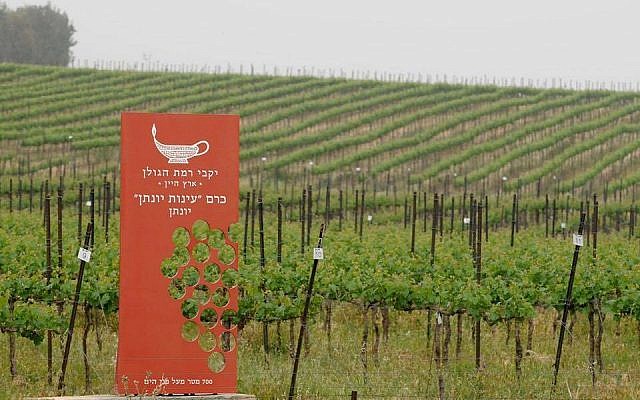


Golan Heights Winery is Israel’s most acclaimed producer, and their Yarden Katzrin Chardonnay is the flagship white of the lineup — a single-vineyard, full-bodied Chardonnay produced exclusively from the winery’s finest Chardonnay plots in the northern Golan Heights. Grown at high altitude on sustainably certified volcanic basalt soils, the 2022 is aged in French oak to build complexity and texture while preserving the site’s natural minerality and freshness. It is Kosher certified, with the depth and structure to rival serious Burgundian Chardonnay at its price point.
The nose is rich and aromatic: ripe lemon, poached pear, and tropical fruit, with toasted baguette, French oak, and a distinctive mineral undercurrent. On the palate, the wine is full-bodied, elegant, and polished — generous fruit and creamy oak seamlessly integrated, with a long, refined finish. It is approachable now with food, and built to develop further with a few years of cellaring.
“Katzrin Chardonnay presents aromatic characteristics of ripe lemons, pears and tropical fruits, alongside hints of minerality, toasted baguette and French oak. A full-bodied Chardonnay, rich in flavors, elegant and pleasant to drink.” — Golan Heights Winery
Israel’s benchmark Kosher Chardonnay — Yarden Katzrin delivers single-vineyard Golan Heights character, French oak complexity, and genuine aging potential in every bottle.


With a straw yellow colour, Yzaguirre Blanco Clasico Vermouth has an intense aroma with herby and spicy notes. Mild balsamic touches give it a pleasant and very unique structure. Fresh and smooth in the mouth and very well balanced, it has notes of vanilla and cinnamon.
Excellent as an everyday aperitif. Serve with 2 anchovy-stuffed olives, 2 or 3 ice cubes and a twist of orange. Serve very chilled.
The Yzaguirre Blanco Clásico Vermouth is a well-regarded example of the Spanish style of white vermouth, produced by Bodegas Yzaguirre, a house with a long history in the Catalan region (between Reus and Tarragona) dating back to 1884.
Yzaguirre's vermouths are made using traditional, artisanal methods and a blend of over 80 aromatic herbs and spices that are macerated (soaked) in a white wine base.
Cocktails: It works excellently as the Bianco/Blanc component in various cocktails, often where a sweet, less bitter white vermouth is desired:
White Negroni (often with Gin, and a bitter like Suze or Luxardo Bitter Bianco).
Martini variations (as a sweeter alternative to Dry Vermouth).
V&S (Vermouth and Soda): Simple, refreshing, and popular in Spain.


With a deep yellow color, Yzaguirre Blanco Reserva Vermouth is highly aromatic, velvety and pleasant on the palate, with woody, herby and spicy notes reminiscent of ripe fruit. Its initial flavor is very tasty and balanced, in perfect harmony with its acidity. Twelve months in oak barrels give it consistency and character.
Great as an everyday aperitif or early evening drink. Excellent in a long drink with a few drops of Campari, 3 or 4 ice cubes, a slice of orange, a twist of orange peel and fresh mint leaves. Perfect for use in the kitchen to add another dimension to your dishes.
That is a great choice! The Yzaguirre DRY RESERVA Vermouth WHITE is a distinctive and highly-regarded Spanish vermouth, known for its unique aging process which sets it apart from typical dry vermouths.
The oak aging softens the vermouth and adds complexity that you don't find in stainless-steel-aged dry vermouths, making it excellent for sipping or mixing.


Veneto, Italy | Red wine | 375ml half bottle
From the Zenato family, this Amarone della Valpolicella brings the depth and generous texture of the estate's red-wine style to a convenient half-bottle format. The 375ml size is a welcome choice for a dinner for two or an evening when a full bottle is more than you need.
Dark fruit, layered aromas, and voluminous elegance define the wine's character. Dense fruit and tannin find balance across the palate, leading to a long finish.
James Suckling, 96 Points | Restrained fruitiness with aromas of raspberries and earth, alongside a complex spicy blend of freshly ground black pepper, milk, mint, bay leaf and cocoa powder. Very youthful. Full-bodied, dense and balanced, with savory flavors of chocolate and cherries, super-tasty style, tight, chalky yet ripe tannins and a fresh, cleansing acidity. Toasty finish.
Wine Enthusiast, 95 Points | Some wines don't need an invitation. Dark and dense, this brings candied violets and warm plum jam while black cherry cola adds its deep swagger. The palate stays bold and serious, letting all that juicy
Review text incomplete.
The Amarone della Valpolicella Classico from Zenato is made from grapes from the classical Valpolicella region and is the jewel in the wine production of the Zenato family.
This Italian red wine presents itself dark red, almost black in the glass. It overwhelms in the best way with voluminous elegance, dense, multi-layered aromas and a beautiful balance of fruit and tannin. A phenomenal length makes this Amarone irresistible. An exceptional red wine at an amazingly low price.
Suggested pairings include braised beef, roast lamb, mushroom dishes, or aged hard cheeses. Allow time in the glass to explore its layered aromas.

